Design & History
The story behind iconic silver coin designs from government mints worldwide, from classical artistry to modern bullion programs.
The Art of Silver Coinage
Silver coins have been a medium of artistic expression and store of value for thousands of years. Modern silver bullion coins from government mints combine centuries of numismatic tradition with investment-grade quality.
Each major silver coin program features distinctive designs that reflect national identity, artistic heritage, and the values of the issuing nation. These designs contribute to the coins' recognition, authenticity, and liquidity in global markets.
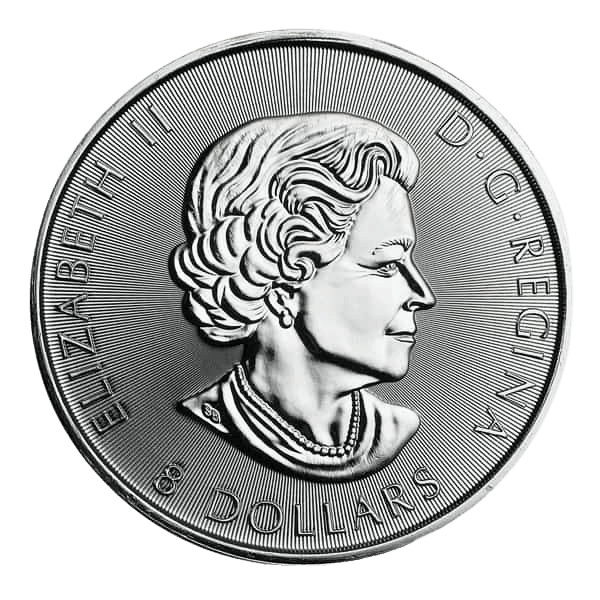
Obverse: National Symbols & Heritage
The obverse (front) of silver bullion coins typically features imagery that represents the issuing nation. Common themes include:
- •National symbols: Liberty, monarchs, or emblems representing the country of origin
- •Historical figures: Iconic representations from the nation's history
- •Artistic interpretations: Classic designs that have stood the test of time
These designs serve dual purposes: establishing authenticity through government authority and creating collector appeal through artistic merit.
Reverse: National Identity & Specifications
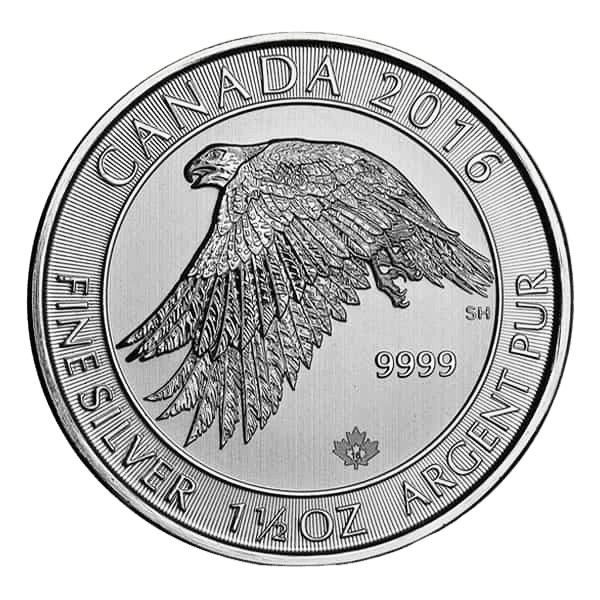
The reverse (back) of silver coins typically displays national emblems, wildlife, or symbolic imagery that reinforces the coin's origin and authenticity.
Key information inscribed on the reverse includes the country of origin, denomination, weight, and purity specifications. This standardized information allows for immediate verification and supports global liquidity.
Modern security features may also be incorporated into reverse designs, including micro-engraving and other anti-counterfeiting measures.
Major Silver Coin Programs
Government mints around the world produce silver bullion coins with distinctive designs and specifications:
American Silver Eagle
Featuring Walking Liberty on the obverse and a heraldic eagle on the reverse. First minted in 1986 by the U.S. Mint.
Canadian Maple Leaf
The iconic maple leaf design with .9999 fine purity. Produced by the Royal Canadian Mint since 1988.
British Britannia
Features the classical figure of Britannia. Produced by the Royal Mint with advanced security features.
Austrian Philharmonic
Musical instruments of the Vienna Philharmonic Orchestra. Minted by the Austrian Mint.
Learn more about silver investing at Monex Investing in Silver
What Design Signals to Investors
For investors, coin design conveys more than visual appeal:
Government Authority
Official designs signal authenticity and weight/purity guarantees backed by sovereign governments.
Global Recognition
Well-known designs are recognized by dealers and investors worldwide, facilitating transactions and supporting liquidity.
Collector Crossover
Artistic merit appeals to both bullion investors and numismatists, potentially broadening the buyer pool when selling.
Security Features
Modern designs incorporate anti-counterfeiting measures that protect investors and support confidence in the secondary market.
Design Comparison: Major Silver Coins
Each major silver coin has distinctive design characteristics:
American Silver Eagle
- • Adolph Weinman's 1916 Walking Liberty design
- • Heraldic eagle reverse (redesigned 2021)
- • Celebrates American freedom and ideals
- • Most traded silver coin in the world
Canadian Maple Leaf
- • Iconic maple leaf national symbol
- • Queen Elizabeth II / King Charles III portrait
- • Highest purity (.9999 fine)
- • Advanced security features
Key Dates in Silver Bullion History
American Silver Eagle program launches
Canadian Silver Maple Leaf introduced
British Silver Britannia begins production
Austrian Silver Philharmonic launched
American Silver Eagle reverse redesigned
Silver bullion coins remain popular investment vehicles worldwide
Related pages